
Data Science
The Data Science combines the Systems Science and the Intelligent Information Science to advance technologies for processing and applying information in complex “systems” involving people, society, and the environment. Research focuses on mathematical data analysis, AI integration, and human-centered interface design. Through education grounded in information engineering, the program fosters innovators who can create new value through data-driven approaches. Students gain mathematical expertise, practical skills, and global perspectives—developing the independence, collaboration, and creativity needed to become future leaders in data science and technology.
Systems Science
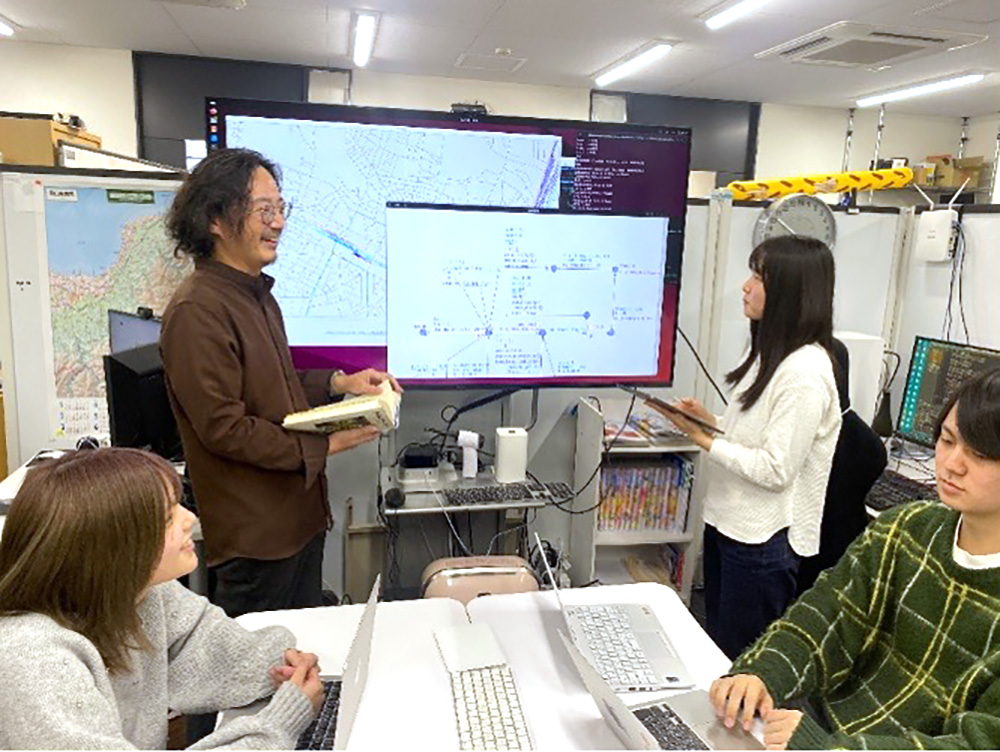
The System Science explores data application and analysis technologies for processing meaningful information embedded in broad “systems” that include the Earth, society, humans, living organisms, and artificial objects.
Research spans mathematical modeling, optimization, machine learning, and evolutionary computation, as well as multi-agent simulation and system design verification. By integrating mathematics with data science, the course aims to establish advanced and versatile foundations for data analysis and system understanding.
Intelligent Information Science
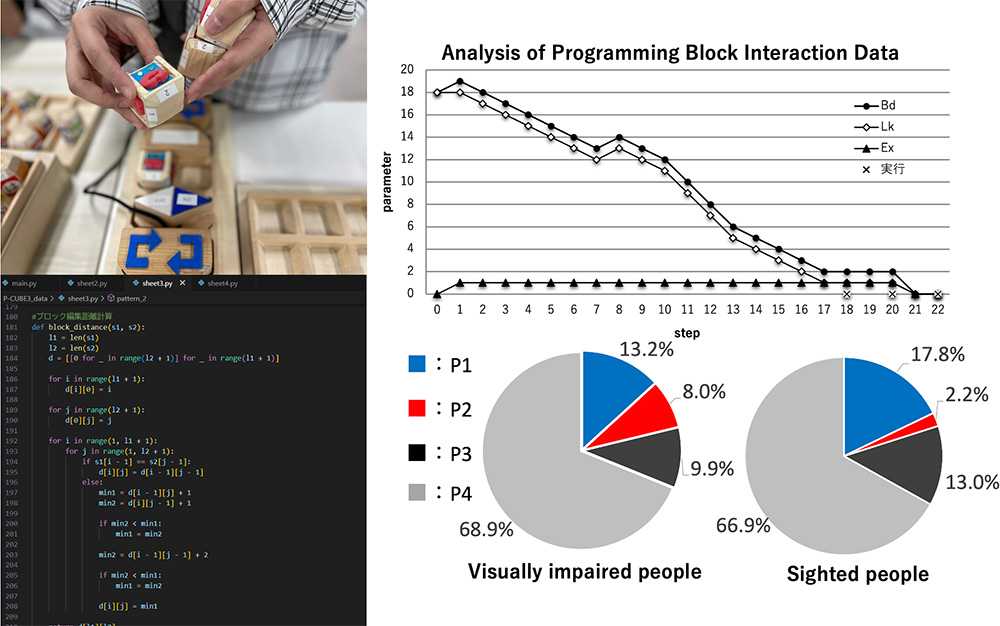
The Intelligent Information Science focuses on the interfaces through which information about people, the environment, and systems themselves is exchanged. Its goal is to realize intelligent information systems that are easy for humans to use and understand.
By integrating the latest artificial intelligence technologies with data science, the course advances research on interfaces that support human learning and accessibility, as well as on methods for evaluating these systems. It also promotes studies on medical image analysis, including MRI and CT data, and the development of technologies for diagnostic support and information exchange.
Information Systems Engineering
The Information Systems Engineering consists of two divisions — the Division of Fundamental Information Engineering and the Division of Applied Information Engineering — comprising six specialized fields. These six fields represent areas that are expected to play vital roles in regional and societal development in the coming years. Students explore cutting-edge theories and technologies in information systems engineering, gaining a comprehensive understanding of how to utilize information effectively. Through research and practical inquiry, they develop specialized expertise and the capability to translate knowledge into real-world innovation.
Fundamental Information Engineering
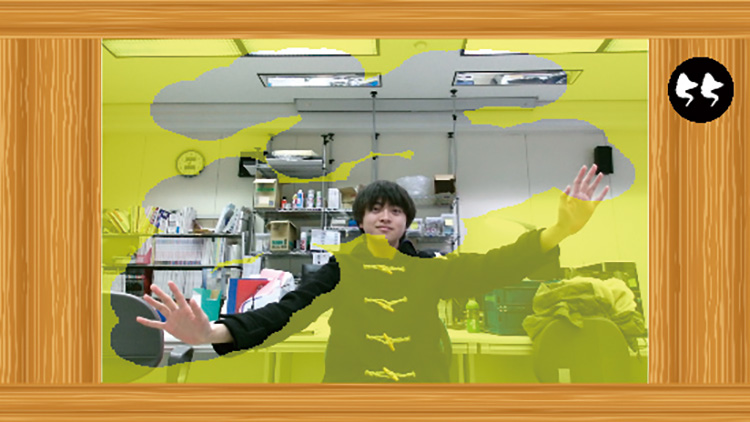
eSports–Based Joint Motion Measurement System 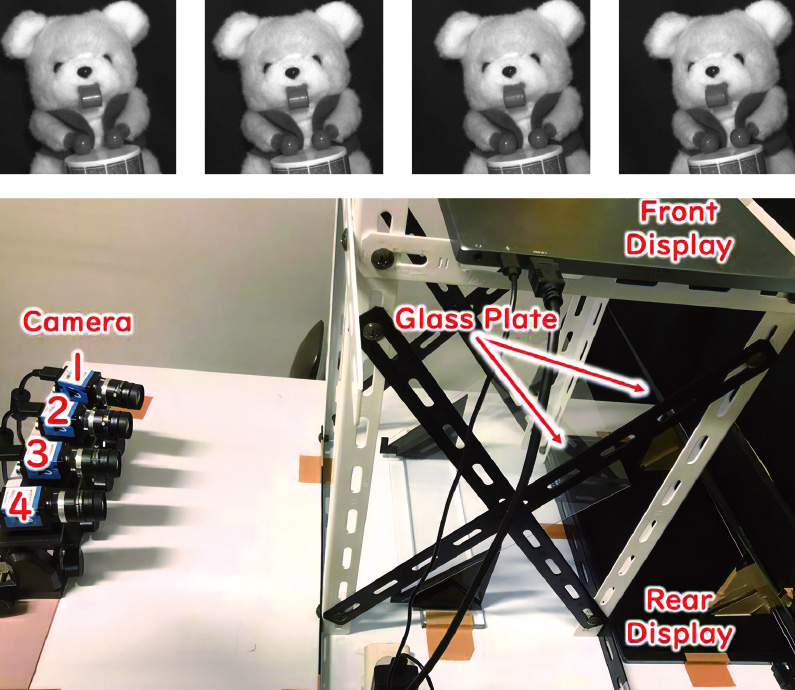
Multilayer 3D display and simulated camera images.
Information Systems Engineering: Research on behavior recognition, sensing, computing, and machine learning, applied to nursing education, preventive care, and distributed systems for a safer, smarter society.
Visual Media Engineering: Focus on 3D information capture, transmission, and visualization, with application in education, entertainment, and multimodal human interaction.
Social Information Design: Study of smart city systems, behavior modeling, and digital technologies to enhance human well-being and sustainable communities.
Applied Information Engineering
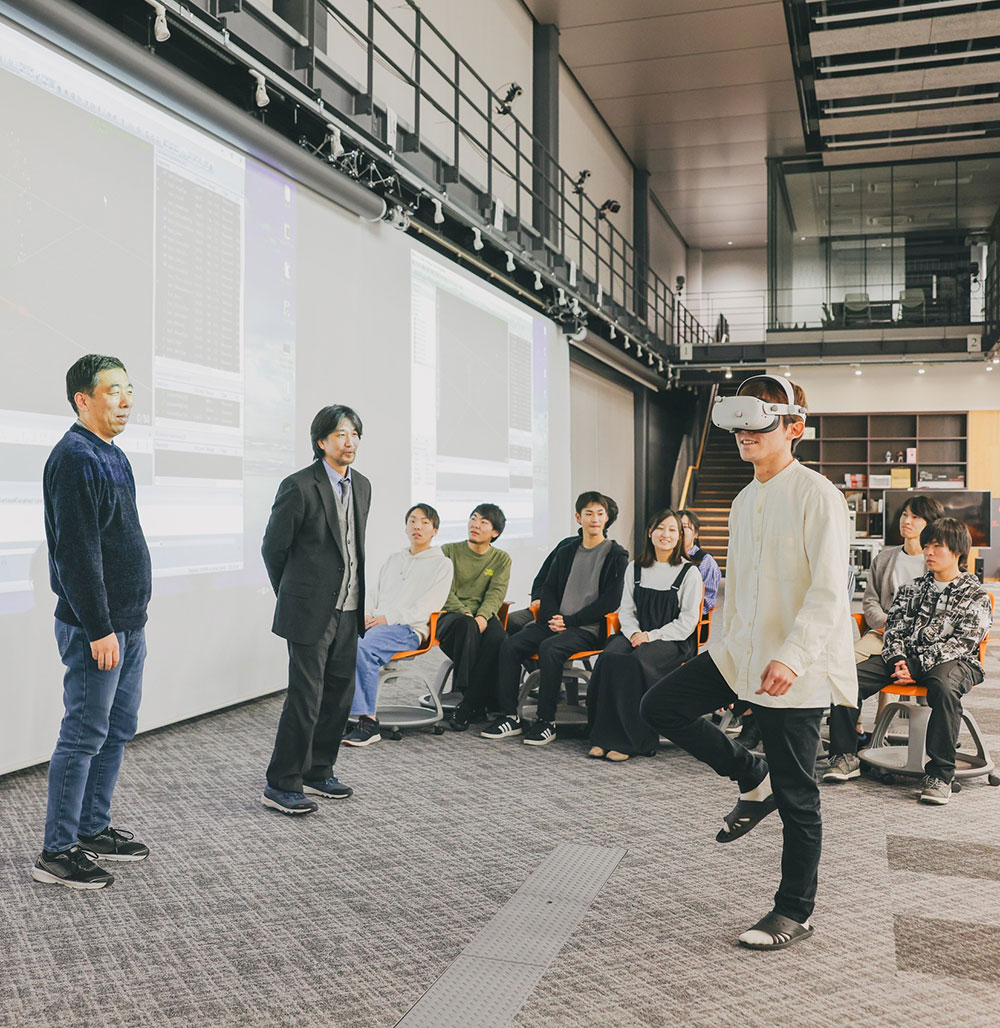
Graduate Student VR Workshop 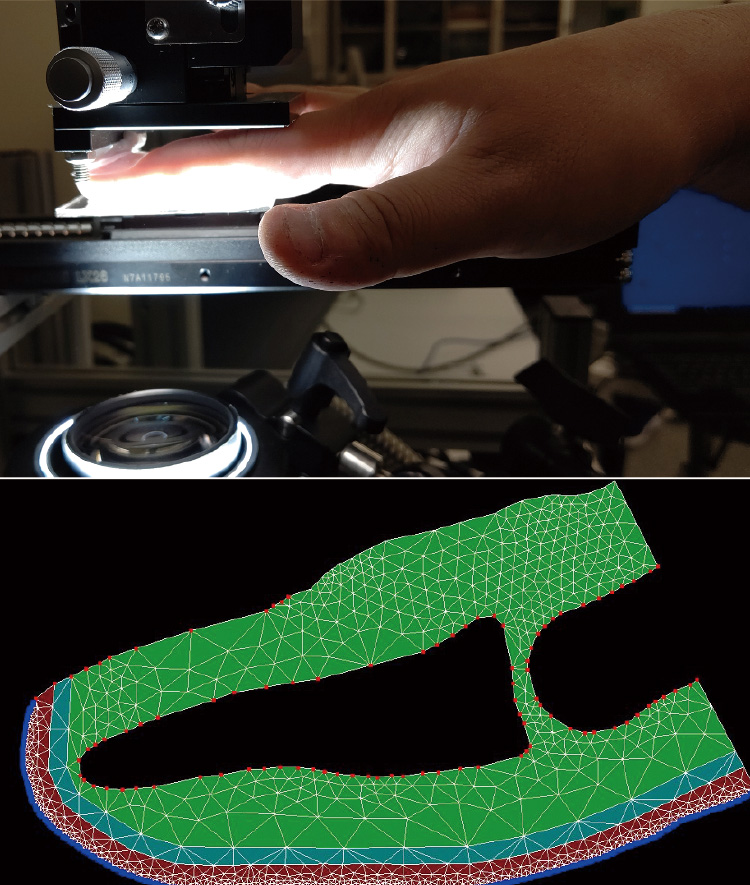
Construction and Simulation of a Virtual Flexible Finger Model
Telexistence Engineering: Research on technologies that connect people and remote robots or collaborators through networks to share sensory information using AR/MR and motion synchronization.
Virtual Reality Engineering: Focus on virtual reality technologies that recreate real-world functions by stimulating multiple senses through sensing, simulation, and display systems.
Human Information Science: Study of human behavior and information processing, integrating psychology, human augmentation, and digital healthcare to enhance understanding and wellbeing.
Intelligent Robotics
The Graduate School of Intelligent Robotics aims to cultivate versatile professionals with a broad knowledge base and a wide perspective that spans across the fields of mechanical engineering, electronic engineering, and information engineering. While emphasizing expertise in one of these core areas, Intelligent Robotics focuses on developing individuals who can design intelligent systems by acquiring advanced knowledge in the chosen domain and simultaneously gaining related knowledge in peripheral domains. To achieve this goal and foster researchers and engineers capable of developing a wide range of next-generation technologies from macro to micro levels, the program conducts education and research in the following four departments.
Functional Robotics
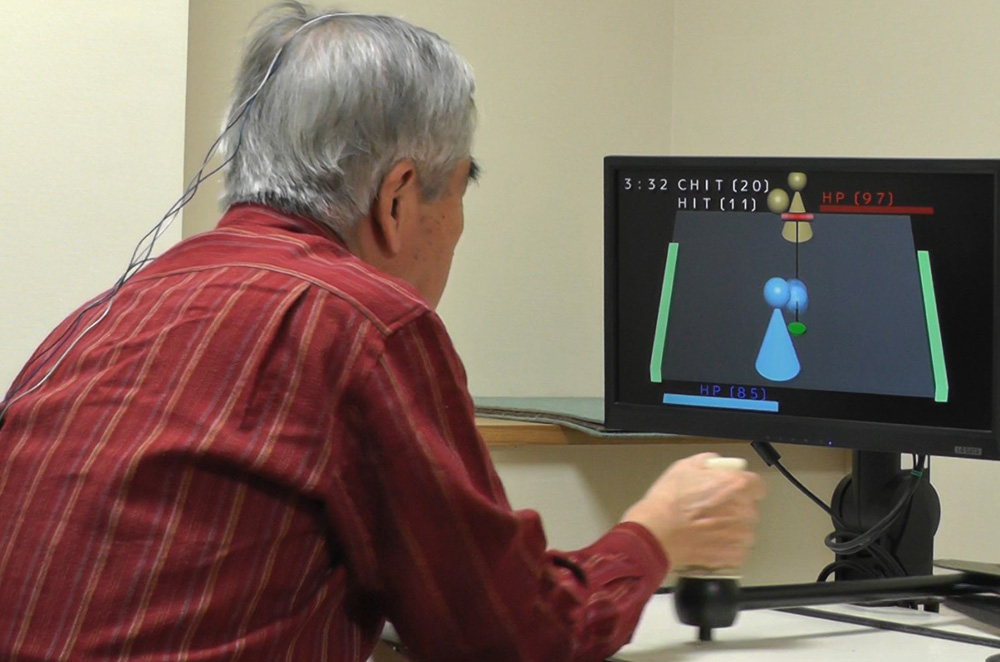
Students conduct research on intelligent robots and healthcare and welfare robots that are flexible and highly functional, based on mechatronics technology.
Intelligent Interface Engineering
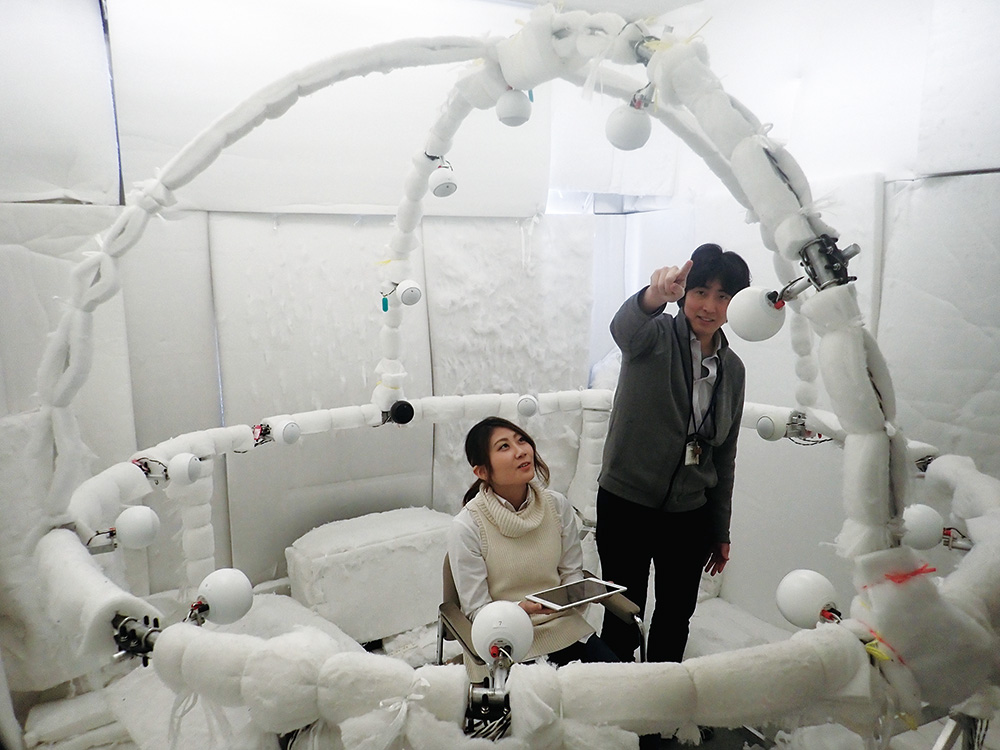
Students conduct research on elucidating the mechanisms of information processing in the human brain, such as vision and auditory processing. Additionally, we explore intelligent human interface technologies capable of flexible information processing similar to that of humans.
Precision Engineering
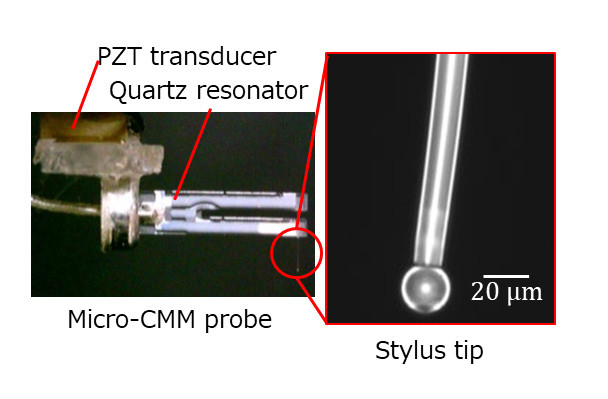
Students conduct research on machining and measurement techniques to make systems that intelligently operate robots, automobiles, and machine tools that are compact, lightweight, and highly functional.
Intelligent Electronic Device
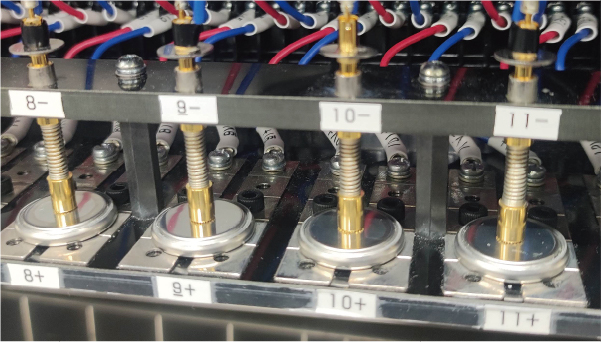
Students conduct research on the development and application of innovative microsensor technologies and semiconductor devices that will be essential for future robotics.


