Department of Nursing
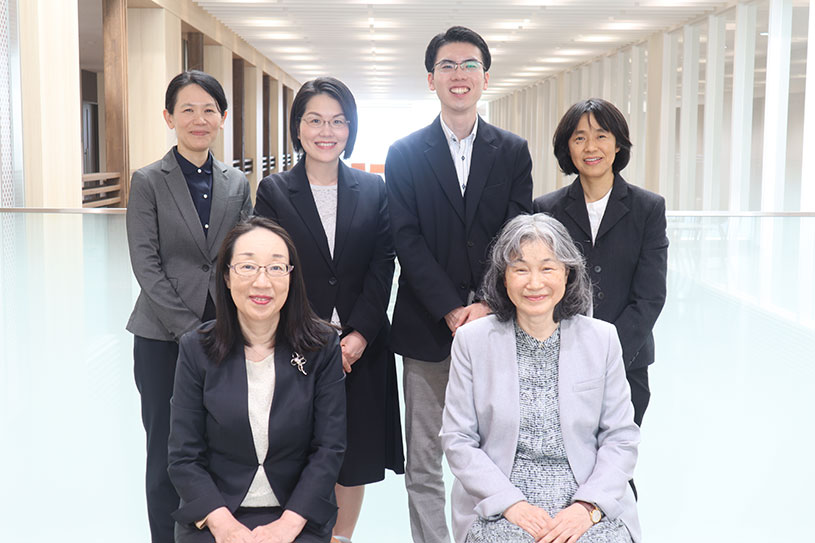
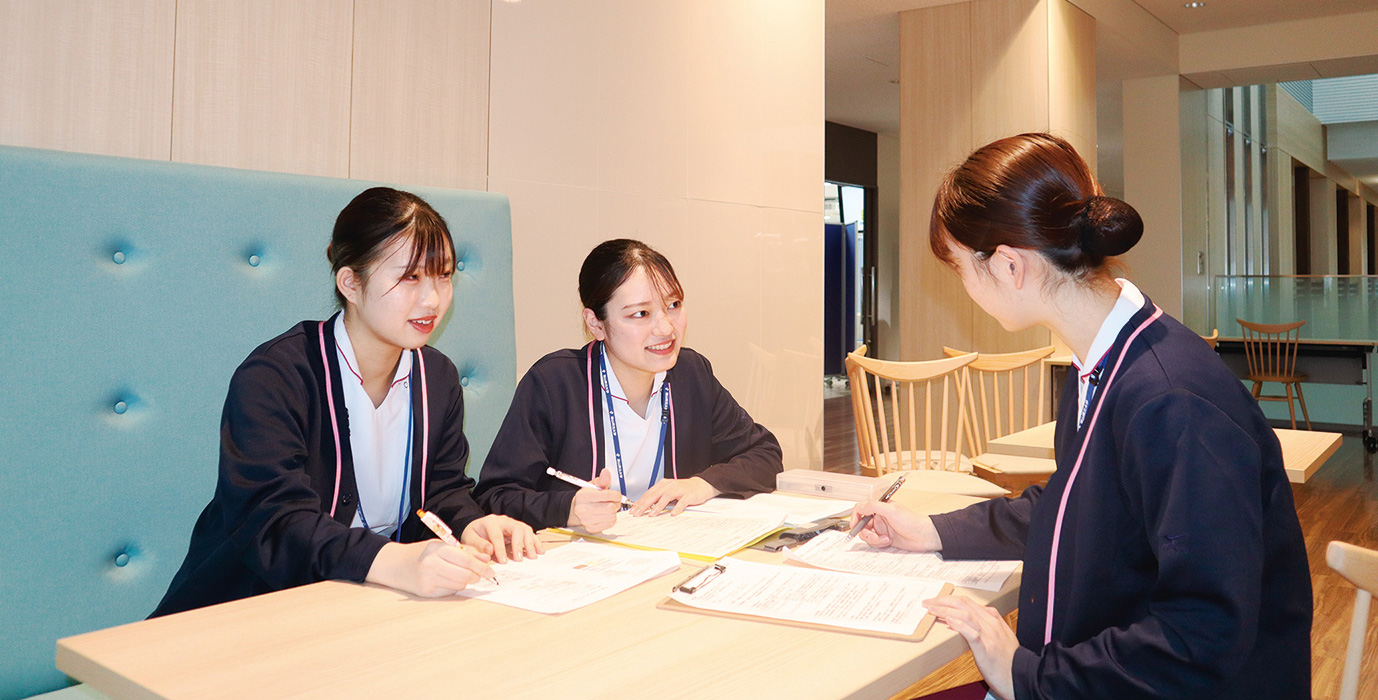
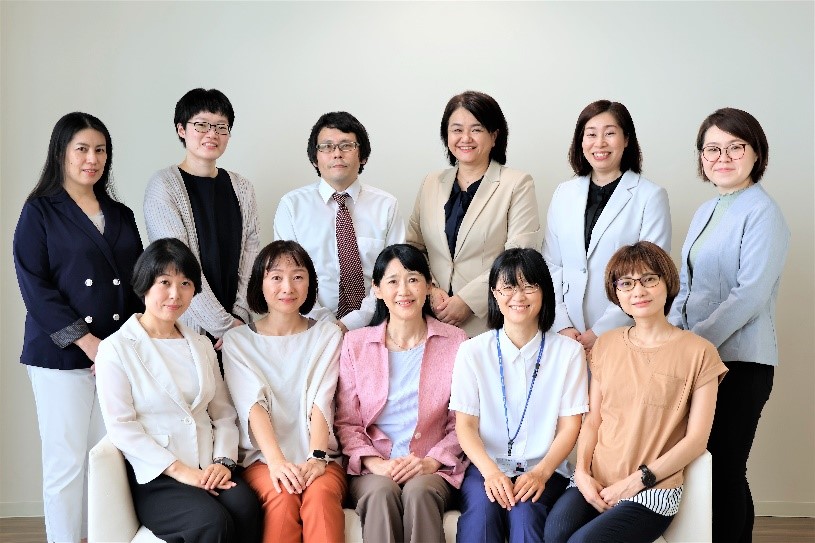
The Faculty of Nursing provides nine courses in three fields. The three fields are Fundamental Nursing, Clinical Nursing and Public/Community Health Nursing. The nine courses are Fundamental Nursing, Adult Nursing (Acute Phase Nursing), Adult Nursing (Chronic Phase and Palliative Care), Gerontological Nursing, Pediatric Nursing, Maternal Nursing, Psychiatric Nursing, Home Care Nursing and Public/Community Health Nursing. Faculty members conduct research in a wide variety of areas while maintaining a close relationship with students who are studying the nine courses. The Faculty of Nursing aims to provide learning support focused on students’ individuality, improve basic academic skills, and cultivate students’ humanity, practical abilities and creativity.
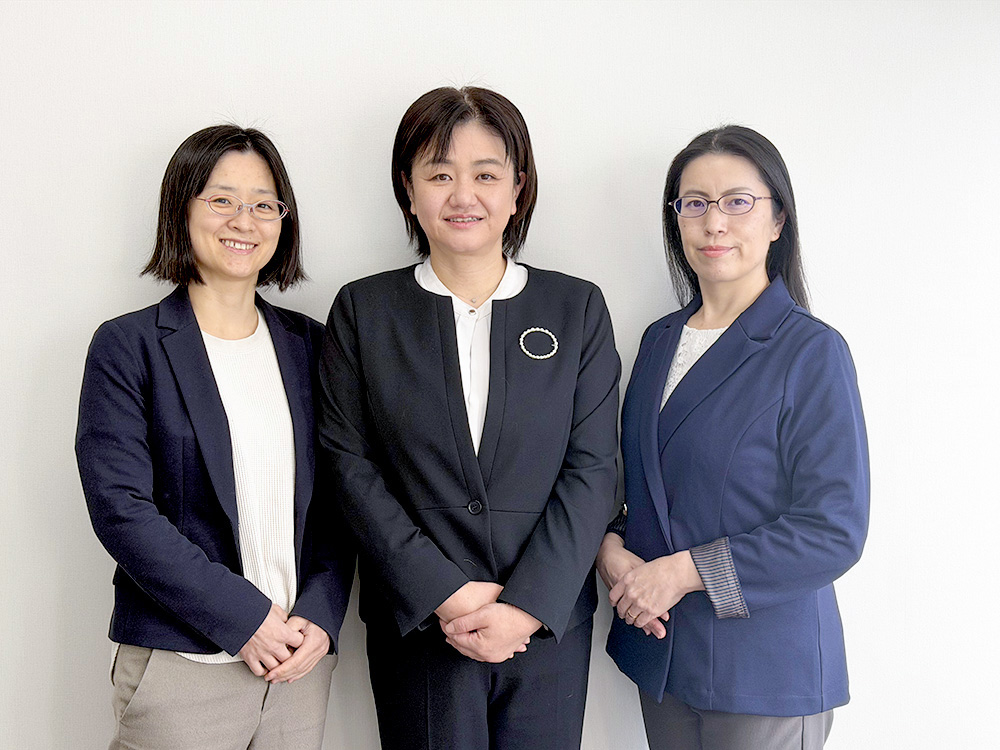
Fundamental Nursing
1 Fundamental Nursing (1, 2)
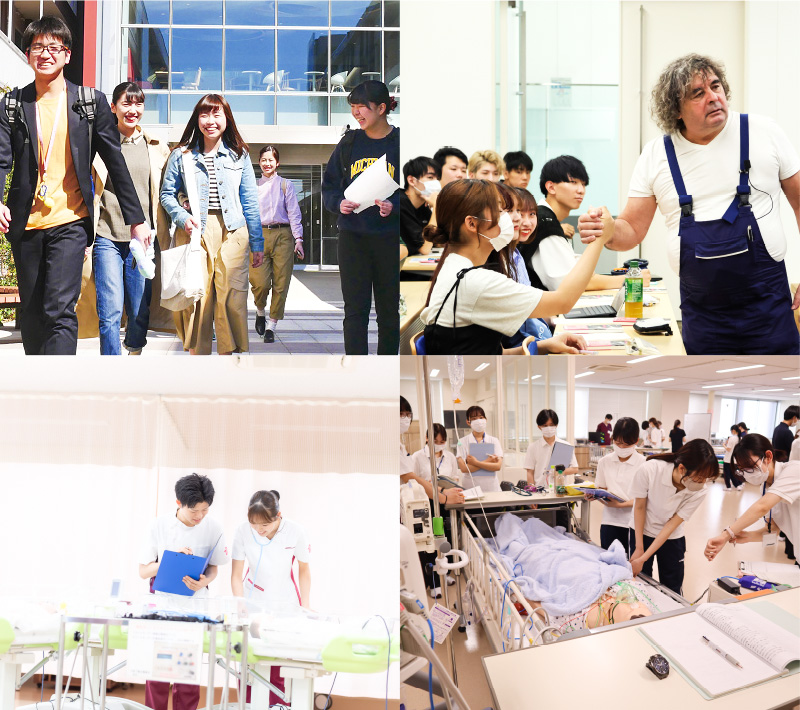
The subjects of nursing are people at every stage of life, from the fetus to the elderly, regardless of their state of health. This field is needed for students to deepen their understanding of “nursing, human beings, health and the environment” as well as to enhance their practical nursing ability with ethical considerations. Nurses are responsible for implementing nursing practices in their field of expertise. Additionally, the nursing care skills should be based on theories and practice, and focus on “safety, comfort and independence”. Focusing on these issues, Fundamental Nursing explores the expertise of nursing and conducts research concerning “the mental and physical impact of nursing care on people and nurses”.
Clinical Nursing
2 Adult Nursing (Acute Phase Nursing)
Capturing the characteristics of individuals in the adult stage through the life cycle and understanding their responses to health issues and treatments from the perspectives of physical and mental functions, developmental challenges, and roles in the family and society is crucial. Acute and convalescent nursing requires a deeper understanding of comprehensive assessment perspectives and assistance methods based on life, psychological, and social crises in the perioperative period of adult patients, as well as the specific nursing care and theory necessary for the process of recovery and reintegration into society from life-threatening situations. Focusing on these issues, Adult Nursing (Acute Phase Nursing) conducts educational research on issues related to nursing care of patients undergoing surgery and their families. For example, the "use of VR teaching materials to explain about the period during the COVID-19 pandemic" is being promoted.
3 Adult Nursing (Chronic Phase and Palliative Care)
Understanding the characteristics of individuals in the adult stage across the life cycle and comprehending their responses to health issues and treatments from the perspectives of physical and mental functions, developmental challenges, and roles in the family and society is crucial. It is important for adults with chronic illnesses who require lifelong management of their lives, along with their families, to lead a life that is true to themselves, and for individuals with health impairments requiring palliative care and their families to achieve the best possible quality of life. In the nursing care of people in the chronic and palliative phase, education and research is conducted to deepen understanding of specific nursing assistance methods based on the pathology, illness, and treatment of chronic diseases, as well as nursing care that takes into account the individuality and dignity of the subject.
4 Gerontological Nursing
Gerontological nursing focuses on learning to provide care that accompanies the lives of older adults. Aging is not merely about losing abilities. A vital role of gerontological nursing is to support individuals in continuing to live authentically by focusing on their life history, accumulated experiences, and enduring strengths. In our course, students learn perspectives that value the individuality of older adults, communication that understands physical and mental changes while drawing out strengths, and nursing care that supports individuals while connecting with family and the community. Additionally, the program engages in an activity called “Dementia Basket,” which facilitates interaction among people with dementia, their families, community members, and professionals. This community-based initiative creates spaces where people with dementia and those without can interact together. Furthermore, it examines pressing societal challenges such as non-restraint care and dementia nursing from an international perspective, exploring how to uphold the dignity of the older adults.
5 Pediatric Nursing
The subjects of pediatric nursing are all children and their families, and it is necessary to provide nursing care that takes into account the health issues faced by children and their families within the changes of society. Education and research in Pediatric Nursing focus on children's rights, children's physical, psychological and social characteristics, understanding of growth and development processes, and social resources and systems that support the health of children and their families. In addition, through interaction with children, it is important to understand the support for their daily life along with their growth and development, and environmental adjustments to prevent infection and accidents in group living. In Pediatric Nursing, we conduct education and research on how to promote the steady growth of children and how to provide better nursing for children with illnesses and disabilities as well as their families while considering the future potential of each child.
6 Maternal Nursing
Maternal Nursing is focused on women's health issues in the lifecycle centered on the perinatal period. Education and research in this field aims to cultivate the students’ ability to think about the significance of maternal nursing and ways of maternal nursing according to the role and the change of society. In order to achieve these purposes, students study motherhood, fatherhood, familyhood, basic concepts of maternal nursing, methods for approaching ethical issues, especially reproductive rights, and the theories underlying nursing practice.
7 Psychiatric Nursing
Mental health should be understood from physical, mental, spiritual, and social perspectives, and it is important to recognize that disability constitutes a part of life. Psychiatric Nursing seeks to cultivate a comprehensive understanding of the human mind and behavior by exploring how stress from developmental stages and life events affects individuals, as well as how they react and use coping strategies in times of crisis. Through lectures, exercises, and clinical training, Psychiatric Nursing provides education and conducts research on the historical development of psychiatric care, Japan's legal system reforms, and current challenges and solutions, equipping students with the knowledge and skills to promote and maintain mental health.
Public/Community Health Nursing
8 Home Care Nursing
In light of the societal context where home medical care has become increasingly necessary in recent years, it is important to understand the concept, objectives, and functions of home care nursing. In home care nursing, students will deepen their understanding of the subjects living at home, the place of nursing activities and the characteristics of nursing activities, from admission, discharge support and transition support to home health care. This course focuses on support for subjects living at home, and provides education and research on various issues related to home care nursing.
9 Public / Community Health Nursing
This course is responsible for the training of public health nurses, with community nursing as the basic education in the undergraduate program, and public health nursing as the advanced course. Community Health Nursing focuses on individuals, families, small groups, and communities living in the local community and aims to learn assessment and support techniques for the health status of each target from the perspective of primary to tertiary prevention in order to address the diverse health issues that these subjects have. Furthermore, students will deepen their understanding of collaboration and coordination with various agencies for problem-solving, as well as the laws and policies related to health, medical care and welfare. They will also study comprehensive community care. In addition, in the field of public health nursing, based on the principles of social justice, students will enhance their learning in support for cases with complex issues, organizational support, community support, and health crisis management as well as health policy. Practical research in public health nursing will be taught. During this course these topics will be further explored through lectures, exercises, and practical training in both the undergraduate and advanced course. Additionally, faculty members will engage in research activities based on their unique themes, collaborate with local authorities and various organizations, and participate in training seminars to contribute to the community.